

As the intensity of the NBA playoffs escalates, the right analytical insights can be a game-changer for fans and bettors alike. Could understanding the intricate details of player and team performances give you the edge you need?
What You Will Learn
- NBA playoff analytics is essential for evaluating team and player performance, providing a deeper understanding of game dynamics.
- Key metrics such as Player Efficiency Rating (PER) and Box Plus/Minus (BPM) are instrumental in assessing individual contributions effectively.
- Understanding the impact of injuries is crucial, as they can drastically alter playoff outcomes.
- Home court advantage significantly influences playoff success, affecting both predictions and betting strategies.
NBA Playoff Analytics: Key Metrics & Their Impact
Delve into the crucial metrics that define team and player performance in the NBA Playoffs, helping fans and bettors make informed predictions. For more in-depth analysis on team prospects, check out our 2025 NBA Playoff Team Insights.
Team Performance Metrics (TRACR & BPI)
-
•
TRACR: Tracks advanced player contributions & ratings.
-
•
BPI: Measures team strength via scoring efficiency, rebounding, defense.
-
•
Reliability: Proven effective for predicting playoff outcomes.
Advanced Player Metrics (PER, BPM, Win Shares)
-
•
PER: Player Efficiency Rating, overall efficiency metric.
-
•
BPM: Box Plus/Minus, player impact on court vs. off.
-
•
Win Shares: Estimates player contribution to team wins.
Key Takeaways from Analytics
-
•
Insights: Enhance understanding of team & player performance.
-
•
Metrics: PER, BPM evaluate individual contributions effectively.
-
•
Impact: Injury impacts & home court advantage are crucial.
Applying Analytics in Practice
-
•
Evaluate: Use analytics for team's playoff prospects.
-
•
Discuss: Talk about injury impact with fellow fans.
-
•
Experiment: Try new betting strategies based on insights.
Understanding NBA Playoff Analytics for Predicting Performance
As we dive into the NBA playoffs, understanding analytics becomes crucial for fans and bettors alike. NBA playoff analytics refers to the collection and analysis of data that evaluates team and player performance throughout the playoffs. This analytical approach helps us decipher trends, strengths, and weaknesses, ultimately guiding predictions and strategies. With my experience covering the NBA, I can tell you that these insights are invaluable for anyone looking to get a deeper understanding of the game!
What Are NBA Playoff Analytics?
NBA playoff analytics encompasses various data-driven methods used to assess how teams and players perform under the intense pressure of the playoffs. By examining statistics such as points scored, rebounds, assists, and defensive ratings, we gain a clearer picture of a team's potential on the court. These analytics play a vital role in predicting outcomes, informing betting strategies, and enhancing our overall experience as fans.
- Data collection: Gathering statistics from games, player performance, and team dynamics.
- Analysis: Evaluating how different metrics correlate with game outcomes.
- Application: Using insights to refine predictions and betting strategies.
It's not just about numbers; it's about understanding the story behind the stats. These insights help me and many fans like you to make more informed decisions as the playoffs unfold.
Key Metrics in NBA Analytics: TRACR and BPI Explained
Two key metrics that stand out in NBA playoff analytics are TRACR and the NBA Power Index (BPI). TRACR, which stands for Tracking Advanced Player Contributions and Ratings, provides a comprehensive look at player performance based on various statistical inputs. Meanwhile, BPI measures team strength by considering factors like scoring efficiency, rebounding, and defensive capabilities, offering a snapshot of how teams stack up against each other.
- TRACR: Utilizes data tracking technology to measure player movements and impact on the game.
- BPI: Calculates team performance based on historical data and current season metrics.
- Reliability: Both metrics have proven effective for predicting playoff outcomes, building a foundation for fans' and bettors' strategies.
In my experience as a sports journalist, these metrics provide a reliable framework that makes it easier to assess team matchups—especially during the high-stakes playoff games! For more strategic insights, explore our NBA Playoffs 2025 Strategy Insights.
Advanced Metrics: Analyzing Player Performance
When it comes to evaluating individual contributions, advanced metrics like Player Efficiency Rating (PER), Box Plus/Minus (BPM), and Win Shares take center stage. Each of these metrics offers unique insights into how a player impacts their team's success. For instance, PER summarizes a player's statistical contributions into a single number, while BPM helps us understand a player's performance relative to their teammates.
- Player Efficiency Rating (PER): A holistic measure that captures a player's overall efficiency.
- Box Plus/Minus (BPM): Reflects a player's impact on the game when they are on the court versus when they are off.
- Win Shares: Estimates the number of wins a player contributes to their team, offering a season-long perspective.
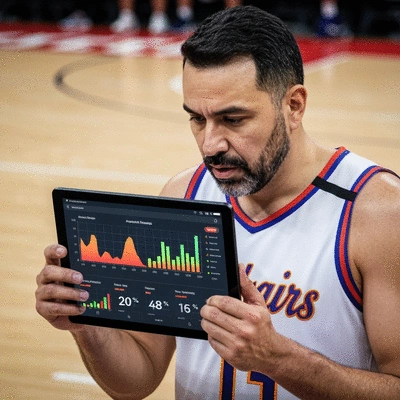
By analyzing these advanced metrics, you and I can uncover which players are likely to shine in the playoffs and which ones may not be living up to expectations. Keeping an eye on these numbers adds an exciting layer to our playoff viewing experience!
Interactive Poll: Your Take on Analytics!
As we explore NBA playoff analytics, we want to know: How much do you rely on analytics for your basketball predictions? Share your thoughts below!
Frequently Asked Questions (FAQs)
What are NBA playoff analytics?
NBA playoff analytics involve the collection and analysis of data to evaluate team and player performance during the playoffs, helping to understand trends, strengths, and weaknesses for predictions and strategies.
What are some key team performance metrics?
Key team metrics include TRACR (Tracking Advanced Player Contributions and Ratings), which looks at player performance, and NBA Power Index (BPI), which measures overall team strength based on factors like scoring efficiency, rebounding, and defense.
Which advanced metrics are used for individual player performance?
For individual players, key advanced metrics are Player Efficiency Rating (PER) for overall efficiency, Box Plus/Minus (BPM) for on-court impact, and Win Shares, which estimates a player's contribution to team wins.
How do injuries affect playoff outcomes?
Injuries can significantly alter playoff results by impacting key players' availability and performance, thereby shifting team dynamics and overall potential.
Does home court advantage really matter in the playoffs?
Yes, home court advantage plays a vital role in playoff success due to factors like crowd support, familiarity with the court, and reduced travel stress, influencing both predictions and betting odds.
Summarizing Key Takeaways from NBA Playoff Analytics
As we dive deeper into the world of basketball, understanding NBA playoff analytics becomes essential for predicting team performance. These analytics provide crucial insights into how teams and players operate under pressure, helping us make informed decisions whether we're fans rooting for our team or bettors looking to place smart wagers.
In a nutshell, leveraging analytics allows us to assess various factors like player contributions, team strength, and game dynamics. By focusing on key metrics, we can gain a clearer picture of potential playoff outcomes. Here are some primary takeaways:
- Analytics offer insights into team and player performance, enhancing our understanding of potential outcomes.
- Key metrics like Player Efficiency Rating (PER) and Box Plus/Minus (BPM) help evaluate individual contributions effectively.
- Understanding injury impacts can be crucial, as they often swing playoff results unexpectedly.
- Home court advantage plays a significant role in playoff success, affecting betting odds and predictions.
By summarizing these key points, we can appreciate how data complements our love for basketball while sharpening our predictive skills during the playoffs. It’s not just about stats; it’s about enhancing our understanding of the game we cherish!
Encouraging Engagement and Practical Application
Now that we've explored the analytical side of the NBA playoffs, it’s your turn! I encourage you to apply these concepts in your predictions and betting strategies. Whether you're discussing with friends or making your picks, think about how these analytics can influence your decisions.

Join the conversation right here at NBA Playoffs Insights. Share your insights, thoughts on player performances, or even your favorite analytics tools with fellow fans! It’s all about building a community of informed basketball enthusiasts. Don't hesitate to dive into the comments and let us know what strategies you're considering this playoff season! You can also find more information on betting insights from NBA playoffs to further refine your approach.
- Try using analytics to evaluate your favorite team’s playoff prospects.
- Discuss with fellow fans about the impact of injuries on playoff outcomes.
- Experiment with different betting strategies based on analytics insights.
Remember, being an informed fan not only enriches your experience but also connects you with others who share your passion for the game. Let’s cheer for our teams together while using data to lead the way!
Recap of Key Points
Here is a quick recap of the important points discussed in the article:
- NBA playoff analytics provide essential insights into team and player performance during high-pressure situations.
- Key metrics like Player Efficiency Rating (PER) and Box Plus/Minus (BPM) effectively evaluate individual contributions.
- Understanding injury impacts is crucial, as they can significantly influence playoff outcomes.
- Home court advantage plays a vital role in determining playoff success, affecting betting odds and predictions.